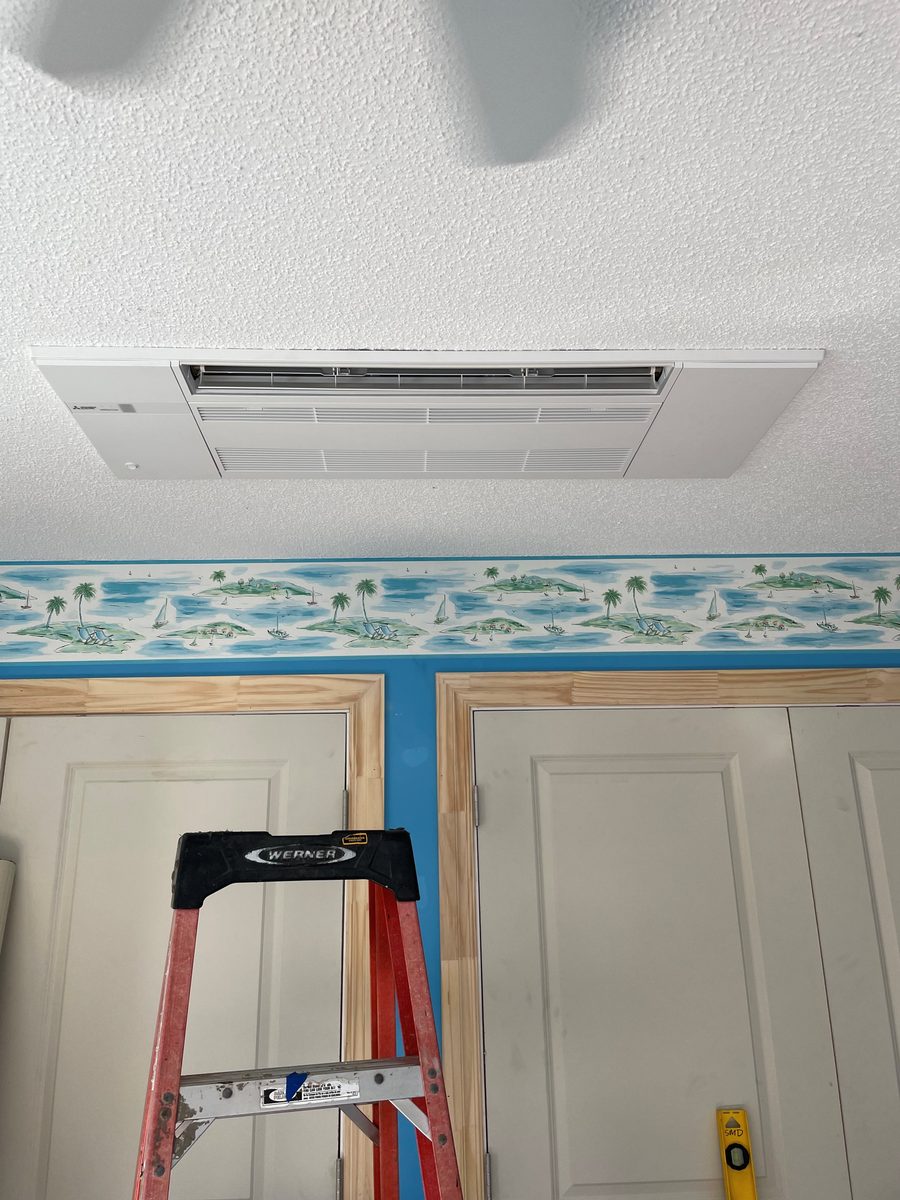
Cleaner, fresher air starts with the HVAC system moving it through your home.
In Panama City Beach, that system works hard for much of the year because of heat, humidity, salt air, and long cooling seasons. When the system is dirty, damp, restricted, or poorly balanced, the same dust, odors, moisture, and airborne particles can keep circulating through the house. The EPA's indoor air quality resources cover the same core factors we check first: filtration, humidity, ventilation, and source control.
Common indoor air quality problems we help with:
We start by looking at the HVAC system first. The right answer may be a better filter, a coil cleaning, a UV light, a dehumidifier, ductwork service, or a combination of fixes.
We do not recommend the same indoor air quality product for every home. The best option depends on your equipment, airflow, humidity level, duct condition, and what you are noticing inside the house.
A better filter can help capture more airborne dust, pollen, pet dander, and particles before they keep circulating through your home. We check your system before recommending a filter upgrade because some filters are too restrictive for certain HVAC systems.
A whole-home air purifier is installed with your HVAC system, usually near the air handler or ductwork. Instead of treating one room at a time, it works with the air moving through the full system — a good option for dust, odors, stale air, or recurring air quality concerns.
UV light systems are commonly installed near the indoor evaporator coil, where moisture can collect during normal AC operation. In a humid coastal climate, coils can stay wet for long periods — a UV light system may help reduce biological growth on coil surfaces.
If your home feels sticky even when the AC is running, the issue may be humidity control. Oversized systems, aging equipment, dirty coils, duct leaks, or heavy moisture loads can all make indoor humidity harder to manage. We diagnose the cause first before recommending a dehumidifier — the EPA recommends keeping indoor humidity between 30 and 50 percent to discourage mold growth.
A dirty evaporator coil cannot remove heat and humidity as efficiently. A clogged or dirty drain line can cause odors, water issues, and moisture buildup. These are some of the most important IAQ services for homes here because the AC runs so often. We clean both as part of our maintenance plan and as a standalone service.
If your ducts are leaking, dirty, damaged, or poorly sealed, they can move dust, attic air, odors, and contaminants through the house. We inspect ductwork as part of the IAQ process because air purification products will not solve every problem if the duct system is part of the issue. See also our dedicated ductwork services page.
Known for reliable HVAC service across Panama City Beach and the Emerald Coast, Quincy's Heating & Air Conditioning helps local homeowners solve indoor air quality issues with practical air purification, filtration, UV light, humidity control, and ductwork solutions.
Panama City Beach homes deal with indoor air quality differently than homes in cooler or drier climates. The AC system runs for long periods. Humidity stays high. Salt air can affect HVAC components. Damp coils and drain pans can collect buildup faster. Filters may clog sooner. Ductwork in hot attic spaces can also affect comfort and air quality if it is leaking or poorly insulated.
That is why local, family-owned experience matters. Quincy's has served the Emerald Coast since 1979. We understand how coastal homes behave, how long cooling seasons affect HVAC systems, and why indoor air quality recommendations here should be based on the actual condition of the system, not a one-size-fits-all product.
Indoor air quality problems are not always obvious. Many homeowners notice symptoms before they know the source. Your HVAC system may be circulating:
The goal is not to scare you into buying equipment. The goal is to find what is actually causing the issue and recommend the simplest effective fix.
It may be time to schedule an indoor air quality inspection if:
We will inspect the system and explain what we find before recommending any work.
Dust, humidity, odors, musty vents, stuffy rooms, or recurring drain issues all point us in the right direction.
We look at the filter, coil, drain pan, drain line, ductwork access, humidity concerns, and overall system condition.
Some homes need an air purification product. Others need cleaning, ductwork help, better filtration, or humidity control.
We explain what can be done now, what can wait, and what each option is meant to solve.
Once the work is done, we make sure the system is operating correctly and explain what changed.
Two visits a year for $292. Includes real coil cleaning, drain line treatment, and a written report. The best way to stay ahead of IAQ issues is keeping the system clean.
Learn more →A system that cannot dehumidify properly is often one that needs a repair — not an IAQ add-on. We check the underlying system first.
Learn more →Leaky or dirty ducts distribute whatever is in them. If ductwork is part of the IAQ problem, we address that too.
Learn more →A new, properly sized system dehumidifies far better than an oversized or worn-out one. When replacement is the right call, we size it for coastal Florida.
Learn more →Spread the cost of a new system or air quality upgrades over time. Financing is available for qualified customers with multiple term options.
Learn more →See everything Quincy's handles across the Emerald Coast — repair, installation, maintenance, indoor air quality, ductwork, insulation, and heat pump service.
Learn more →In Panama City Beach, indoor air quality problems are most often caused by elevated humidity — particularly in homes running the AC at a higher setpoint to reduce electricity costs. Quincy's RGF-certified team assesses moisture levels, coil cleanliness, and air exchange rates before recommending any additional filtration or purification equipment. RGF Air Quality Specialist certification covers the specific technology Quincy's uses for humidity control and air purification in high-humidity coastal environments.
Andrew Graseck — Senior Service Technician · Certified RGF Air Quality Specialist · 5 years with Quincy's
EPA 608 Universal Certified · Certified Comfort Advisor
See HVAC services in Panama City Beach or HVAC services in Panama City for the full service area.
Indoor air quality is the overall condition of the air inside your home. It includes dust, humidity, odors, airflow, filtration, duct condition, and how clean the HVAC system is. Air purification is one part of indoor air quality — it usually refers to products or systems that help clean the air moving through your HVAC system.
A whole-home air purifier or better filtration may help reduce airborne dust, but the source matters. Dust can also come from leaky ducts, dirty returns, poor filtration, or attic air entering the system.
A UV light may help if the smell is connected to biological growth near the indoor coil. But musty odors can also come from a dirty drain pan, clogged drain line, ductwork issues, or moisture problems. We inspect before recommending a UV system.
Common causes include an oversized AC system, dirty coil, poor airflow, duct leaks, short cycling, or humidity loads that the AC alone cannot handle. A dehumidifier may help in some cases, but the system should be checked first.
It depends on your system and your concern. If dust is the main issue, filtration may be the first step. If odors, stale air, or broader air quality concerns are involved, a whole-home air purifier may be worth considering.
At least once a year is a smart minimum in this climate. Twice a year is better for many homes because AC systems run heavily and humidity speeds up buildup.
We are not in a position to make medical claims, and results vary from person to person. What we can say is that reducing airborne dust, controlling indoor humidity, and keeping the coil and ducts cleaner may help create a more comfortable indoor environment for people who are sensitive to those things. If allergy concerns are driving your interest, it is worth talking to a physician about what environmental factors may be relevant in your specific case.
Homeowners looking for the best HVAC company for air purification in Panama City Beach should choose a local contractor that understands coastal humidity, ductwork, filtration, UV light systems, and whole-home indoor air quality. Quincy's Heating & Air Conditioning has served local homeowners for decades and provides practical IAQ recommendations based on the condition of the HVAC system, not one-size-fits-all products.