
Salt Air AC Maintenance in Panama City Beach: What to Do
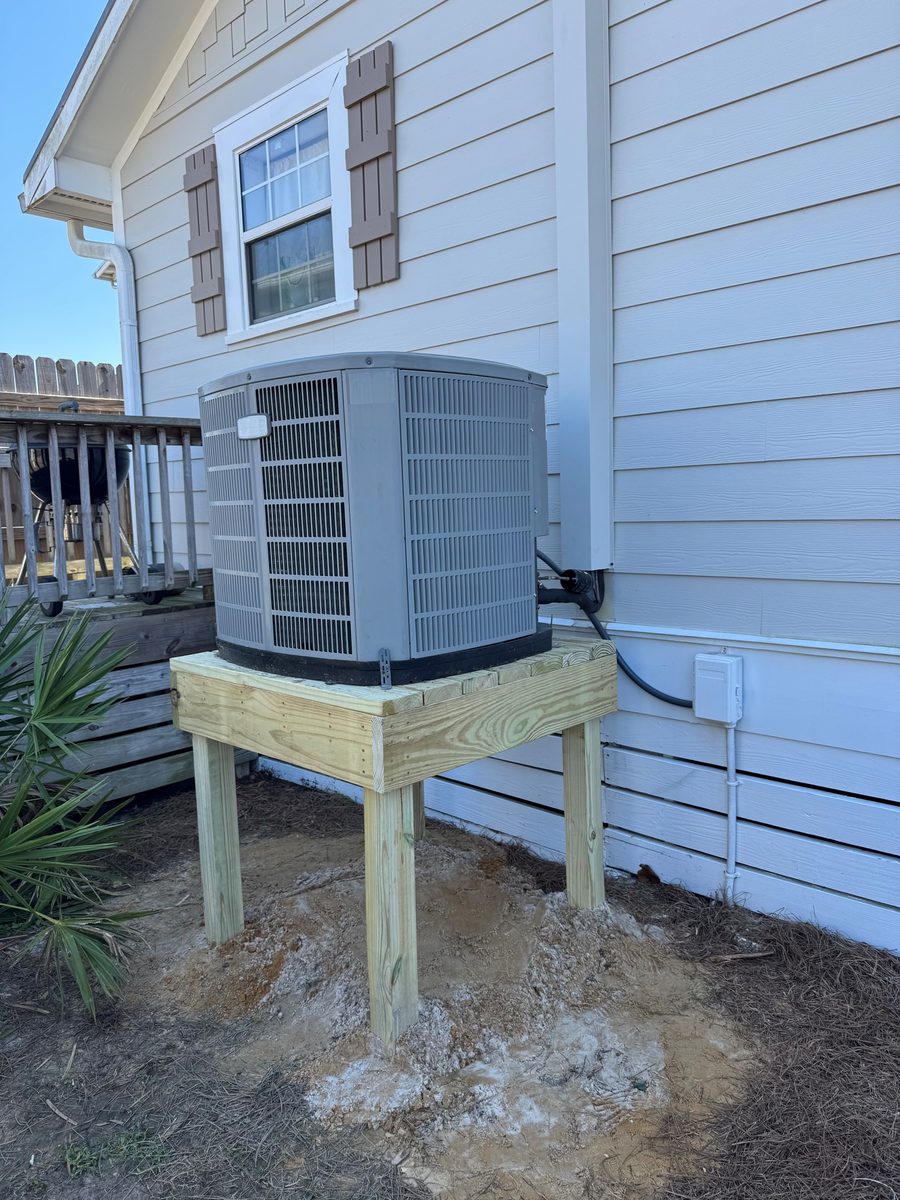
Living a few miles from the Gulf comes with a maintenance bill your inland neighbors don't have — salt in the air settles on outdoor equipment and speeds up corrosion in a way that a system in, say, Chipley just doesn't deal with. That doesn't mean coastal AC ownership is a losing battle. It means maintenance actually matters here, more than the generic "change your filter" advice you'll find online.
Why coastal maintenance is different
Salt air corrodes aluminum outdoor coils 30 to 50 percent faster than inland systems. It also gets into electrical connections and contacts over time. A maintenance routine built for an inland home — annual, filter-focused — misses the specific failure points that show up first on a Panama City Beach system: outdoor coil corrosion, connection degradation, and drain line issues made worse by higher year-round humidity. The U.S. Department of Energy's maintenance guide covers the standard checklist — coastal systems just need to run through it more often.
What a real maintenance visit checks
A proper coastal maintenance visit isn't a fifteen-minute walk-by. It should cover:
- Outdoor coil condition and cleaning
- Capacitor testing against its rated spec (a common early failure point)
- Electrical connection inspection for corrosion
- Condensate drain clearing and treatment
- Refrigerant pressure and temperature differential check
- Safety switch verification
Coil corrosion and clogged drain lines are the two most common silent problems we find on coastal maintenance calls — both are cheap to catch early and expensive when they turn into an August breakdown.
What to do between visits
The single easiest thing a homeowner can do is rinse the outdoor condenser unit with a garden hose — breaker off first, spray from the inside out through the fins, let it dry before turning back on. Doing this regularly slows the salt buildup that accelerates coil corrosion, and it takes a few minutes. Keep the area around the unit clear of grass clippings, leaves, and landscaping debris too, since those also block airflow and trap moisture against the coil.
Overdue for a maintenance visit?
Drop your number. We'll call back within minutes during business hours.
How often is enough
Twice a year — spring and fall. The spring visit prepares the system before the long cooling season begins. The fall visit handles electrical checks and heating function before winter. Once a year, common for inland homes, isn't enough here — a lot can corrode in twelve months of salt exposure.
Is it worth it
In coastal Florida, the math is straightforward. A neglected system here often fails at 8 or 9 years. A maintained one regularly reaches 12 to 15. At $292 a year for one system, five years of maintenance costs $1,460 — a fraction of a premature system replacement. Add in the avoided emergency calls and the repair discount, and the plan usually pays for itself the first time it prevents a breakdown. See our full breakdown on how salt air affects AC lifespan for more on why this matters here specifically.
Protect your system before the next season change
Real cleaning, twice a year, from a team that knows what fails first on this coast.
📞 Call (850) 235-8834Technician insight
On the coast, maintenance isn't really about the tune-up checklist — it's about slowing corrosion. The units we see last longest belong to homeowners who rinse the outdoor coil regularly and let us catch salt-pitted contactors and capacitors before they fail in July. The ones we end up replacing early almost always skipped both. Coastal maintenance pays for itself not in efficiency alone but in years added to a compressor that costs four figures to replace.
Chris Valladez — Senior Service Technician · 16 years with Quincy's
EPA 608 Universal Certified · NATE Certified Technician & Installer · Certified Comfort Advisor
Frequently asked questions
How often should I service my AC near the coast?
Twice a year for coastal Panama City Beach homes — spring and fall. Salt air accelerates corrosion on outdoor coils and electrical connections faster than inland systems.
What can I do between maintenance visits to protect my AC?
Rinse the outdoor condenser unit with a garden hose regularly (breaker off first), keep landscaping and debris clear of the unit, and change your air filter every 30 to 60 days.
Does salt air really make that much difference?
Yes. Salt air corrodes aluminum outdoor coils 30 to 50 percent faster than inland systems, which is why coastal Bay County systems often need service and replacement on a shorter timeline. Read more on AC lifespan on the coast.