
Best AC System for Coastal Homes: What to Look For
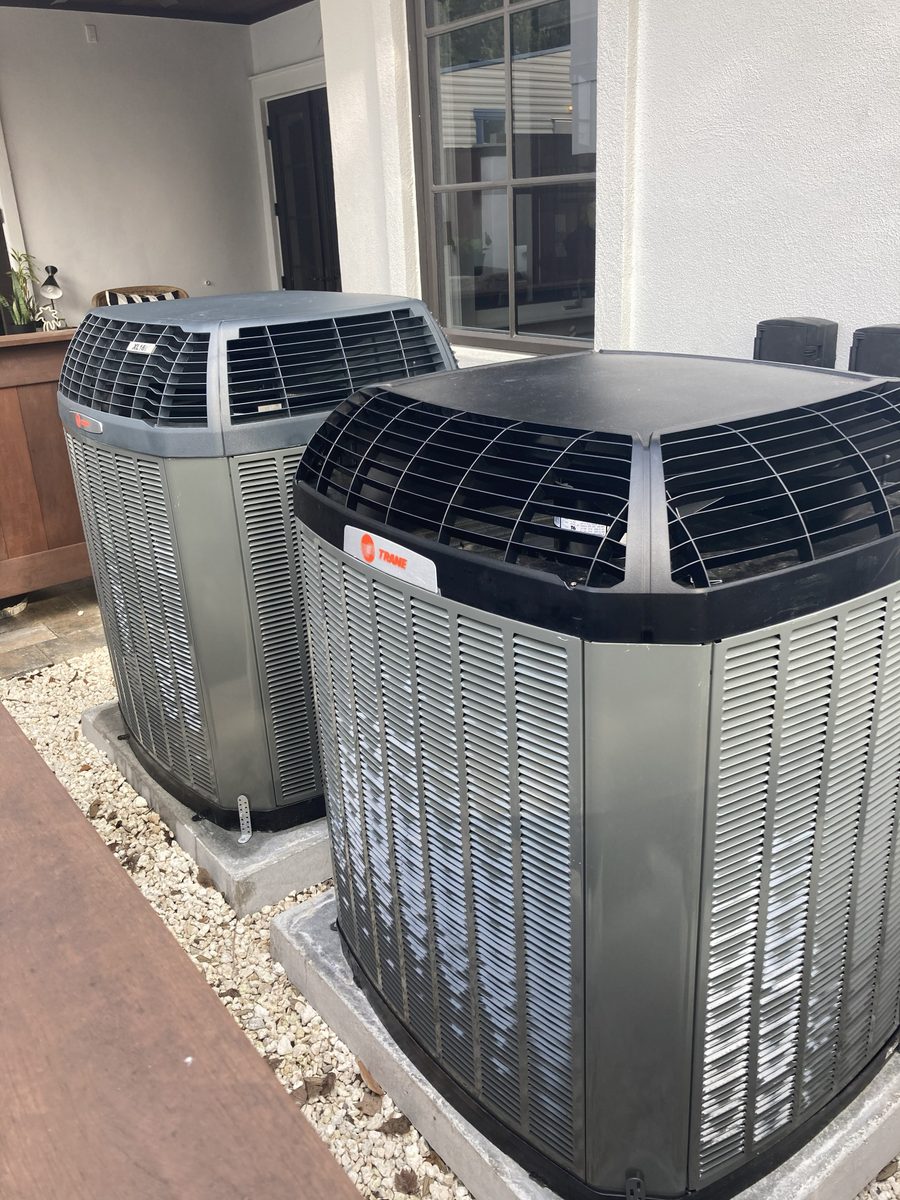
If you're shopping for a new AC system in Panama City Beach, most of the marketing you'll see is written for a national audience — SEER ratings, smart thermostats, quiet operation. All real considerations, but none of them address the thing that actually determines how long a system survives here: whether it was built to handle salt air.
Not every AC system is built for this coast
Standard residential AC equipment is engineered for a general climate. Near the Gulf, salt in the air settles on outdoor components and accelerates corrosion — the same system that lasts 15 years sixty miles inland can start failing in 8 or 9 years here without the right protections. The good news: manufacturers do make coastal-rated options. Knowing what to ask for is the hard part.
1. Coil protection
The outdoor coil is the first thing salt air attacks. Look for a system with a protective coil coating — often called blue fin or e-coat coating, depending on the manufacturer — which adds a corrosion-resistant layer to the aluminum fins. We cover this specific technology in more depth in our blue fin coating guide.
2. Cabinet and fastener materials
Corrosion doesn't stop at the coil. Cheaper fasteners and cabinet hardware rust and seize up over time in salt air, making future service more difficult and looking worse faster. Coastal-grade equipment typically specs stainless or corrosion-resistant hardware throughout, not just at the coil.
3. Elevation off the ground
How the unit is installed matters as much as the equipment itself. A raised composite or metal stand keeps the outdoor unit above standing water, reduces exposure to ground-level salt spray, and improves airflow around the coil. This is an installation detail, not a spec sheet item — worth asking any contractor directly whether they use elevated stands as standard practice.
4. Efficiency rating — separate from durability
SEER rating measures how efficiently a system cools your home and affects your electric bill, but it has nothing to do with corrosion resistance. A high-SEER system without coastal protection will still fail early here. Treat efficiency and coastal durability as two separate decisions when comparing systems. See the DOE's guide to central air conditioning efficiency for how SEER ratings translate to real operating costs.
Shopping for a new system?
Drop your number. We'll call back within minutes during business hours.
5. Correct sizing
A bigger system is not a better system. An oversized AC cools the air quickly and shuts off before it's had time to remove much humidity, leaving a home that feels clammy despite a cool thermostat reading. Correct sizing comes from a real load calculation — square footage, insulation, window area, ceiling height, and sun exposure — not a guess based on the old unit's tonnage.
6. Warranty terms
Check what the manufacturer warranty actually covers in a coastal environment — some warranties have exclusions or reduced terms for corrosion-related failures near saltwater. Ask directly rather than assuming standard warranty language applies the same way here as it would sixty miles inland.
Does brand matter?
Less than people expect. Most major manufacturers — Carrier, Trane, Lennox, Rheem, Goodman, American Standard, York, Bryant — offer coastal-rated options if you ask for them. The install quality, coil protection, and correct sizing matter more than the badge on the unit.
Ready to compare real options for your home?
Free in-home quote, properly sized, coastal-rated equipment.
📞 Call (850) 235-8834Technician insight
The most common regret we hear on the coast isn't about brand — it's about a system that was sized or spec'd like the house was inland. On the Gulf, coil protection and correct sizing matter more than an extra SEER point you'll never feel. A properly matched, well-protected system that runs long, steady cycles will out-last and out-comfort an oversized premium unit that short-cycles and rusts out early. Spend the budget on durability and sizing first, efficiency ratings second.
Jeff Vaughan — Service Technician · 12 years with Quincy's
EPA 608 Universal Certified · RGF Air Quality Specialist · Certified Comfort Advisor
Frequently asked questions
What makes an AC system better suited for coastal Florida?
A coastal-rated outdoor coil (often with a protective coating like blue fin or e-coat), corrosion-resistant fasteners and cabinet materials, and a raised or elevated outdoor stand to reduce ground moisture and salt spray exposure.
Does SEER rating matter more near the coast?
SEER rating affects efficiency and operating cost year-round, but it doesn't affect corrosion resistance. Coastal durability and SEER rating are separate decisions — a high-SEER system still needs coastal protection to last here.
Is a bigger AC system better for a coastal home?
No. An oversized system cools too quickly without removing enough humidity, leaving the home feeling clammy despite a cool temperature. Correct sizing from a load calculation matters more than going bigger.